Build Your Digital Presence. Develop Your Brand. Grow Your Business Successfully
The digital world has changed the way businesses communicate, promote their products, and connect with customers. Today, having a strong online presence is no longer optional for businesses that want to grow. Customers search online, compare products, follow brands on social media, read reviews, and make purchasing decisions through digital platforms and which it can makes Business Online Marketing Development.
Digital online marketing development is the process of building, improving, and managing a complete online marketing presence for a business. It combines strategy, technology, creativity, content, website development, search engine optimization, social media, online advertising, and data analysis to help businesses reach the right audience and achieve their goals.
A successful digital online marketing development strategy is not created overnight. It develops through research, planning, implementation, measurement, and continuous improvement. Modern marketing increasingly combines creative communication with data and analytics to understand customers and improve results.
What Is Digital Online Marketing Development?
Digital online marketing development refers to the systematic development of a business’s digital marketing presence. It involves creating the foundation required for a business to attract visitors, communicate with customers, generate leads, and increase conversions online.
It can include:
- Website development
- Search engine optimization
- Social media marketing
- Content marketing
- Graphic design
- Online advertising
- Email marketing
- E-commerce marketing
- Brand development
- Marketing analytics
The purpose is to connect all these activities into one clear digital strategy instead of treating each marketing channel separately and how does the digital marketing development works.
Why Digital Marketing Development Is Important
A business may have excellent products or services, but without online visibility can make a digital online marketing development, potential customers may never discover it.
Digital marketing development helps businesses establish a professional presence and communicate their value to their target audience. It also provides opportunities to reach customers beyond geographical boundaries.
For example, a small business can use a website to explain its services, social media to build awareness, SEO to attract people searching for relevant services, and online advertising to reach a specific audience.
This creates a connected digital journey from discovery to engagement and eventually to conversion.
Developing a Professional Website
A website is one of the most important parts of a digital online marketing development strategy. It acts as the online identity of a business and provides customers with information about products, services, company values, and contact options.
A professionally developed website should be:
- Mobile-friendly
- Easy to navigate
- Visually attractive
- Fast-loading
- Secure
- Search-engine friendly
- Informative
- Easy to update
Website development should focus not only on appearance but also on usability and business objectives.
A good website guides visitors toward actions such as contacting the business, requesting information, submitting an enquiry, or purchasing a product and which it can improves the margin in Digital online marketing development.
Search Engine Optimization Development
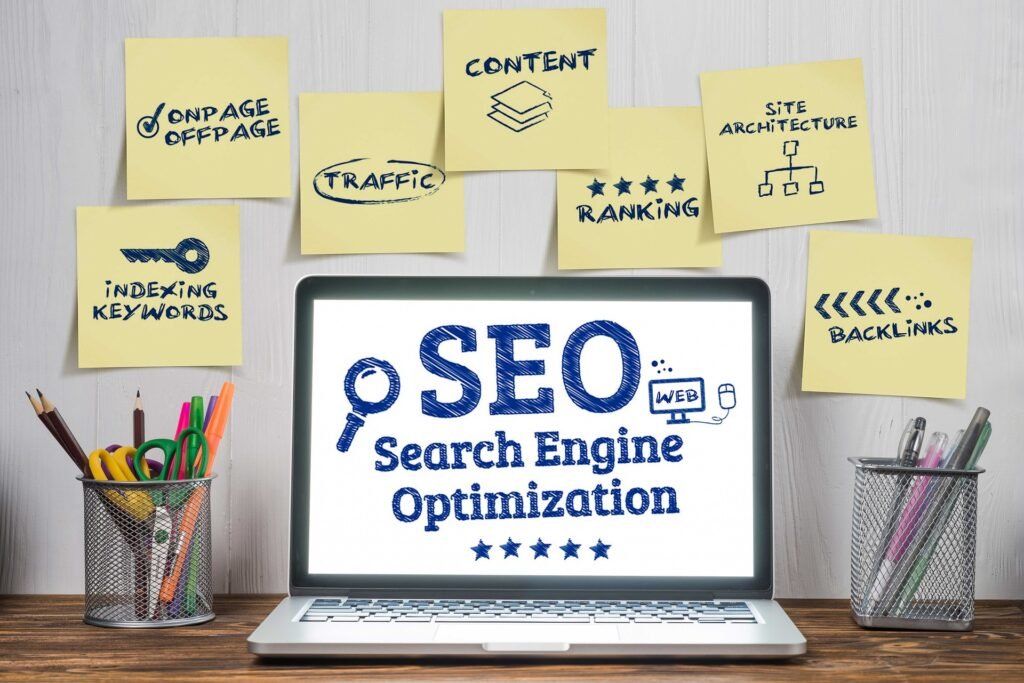
Search Engine Optimization, or SEO, is an important part of digital online marketing development.
SEO helps websites improve their visibility in search engine results when people search for relevant products, services, or information.
SEO development can involve:
- Keyword research
- Website structure
- On-page optimization
- Technical SEO
- Content development
- Image optimization
- Internal linking
- Local SEO
SEO is generally a long-term process. Businesses need to consistently publish useful content, improve their websites, and maintain a strong user experience.
The objective is not simply to attract more visitors but to attract relevant visitors who are genuinely interested in what the business offers.
Social Media Marketing Development
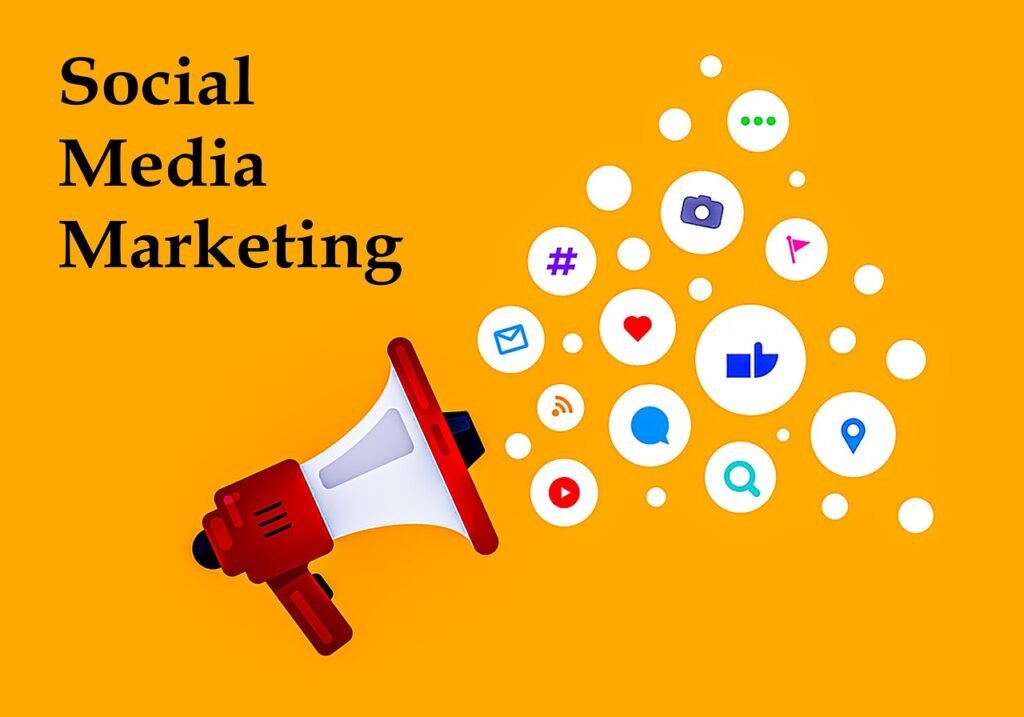
Social media has become an important part of modern digital marketing. Platforms such as Instagram, Facebook, LinkedIn, and YouTube allow businesses to communicate directly with their audience.
Social media marketing development involves creating a consistent brand presence and publishing content that attracts and engages customers and also it can leads to digital online marketing development.
Content may include:
- Promotional posts
- Educational content
- Videos
- Reels
- Stories
- Product images
- Customer feedback
- Informative graphics
- Behind-the-scenes content
Consistency is important. A business should develop a content plan that reflects its brand identity and speaks to the interests of its target audience.
Content Development
Content is the voice of a digital brand.
Content development involves creating useful and engaging material for websites, search engines, social media, email campaigns, and other digital channels.
Examples include:
- Blog articles
- Website content
- Social media captions
- Product descriptions
- Video scripts
- Infographics
- Guides
- Case studies
Good content should provide value rather than simply promote a product.
When businesses answer customer questions and provide useful information, they can build credibility and create stronger relationships with their audience.
Graphic Design and Brand Development
Visual identity plays an important role in digital online marketing development. Customers often form their first impression of a business through its logo, website, advertisements, social media posts, and other visual materials.
Graphic design can be used to create:
- Logos
- Posters
- Flyers
- Brochures
- Social media graphics
- Advertisements
- Thumbnails
- Website banners
Consistent design helps customers recognize a brand across different digital platforms.
A strong brand identity combines professional design, clear messaging, and consistency.
Online Advertising Development
Paid advertising can help businesses reach potential customers more quickly.
Online advertising can be developed across search engines, social media platforms, websites, and other digital channels.
Businesses can use paid campaigns for:
- Brand awareness
- Website traffic
- Lead generation
- Product promotion
- E-commerce sales
- Event promotion
Successful advertising requires more than simply creating an advertisement. Businesses need to identify their audience, create relevant messages, select appropriate targeting, monitor performance, and optimize campaigns.
E-Commerce Marketing Development
The growth of online shopping has created opportunities for businesses to sell products directly through digital platforms.
E-commerce marketing development focuses on making products easier to discover, understand, and purchase online.
Important elements include:
- Product photography
- Product descriptions
- Search optimization
- Social media promotion
- Paid advertising
- Customer reviews
- Promotional offers
- Easy checkout
- Mobile-friendly shopping
A successful e-commerce strategy connects product presentation, marketing, technology, and customer experience.
Email Marketing Development
Email marketing remains a useful way for businesses to communicate directly with customers.
Businesses can use email campaigns to share:
- New products
- Offers
- Newsletters
- Company updates
- Educational information
- Special announcements
A well-planned email strategy can help businesses maintain relationships with existing customers and encourage repeat engagement.
Personalization and relevant content can make email communication more useful and meaningful.
Data and Marketing Analytics
Digital online marketing development should be supported by data.
Analytics can help businesses understand how people interact with their websites, advertisements, social media content, and other digital channels.
Important measurements can include:
- Website visitors
- Engagement
- Leads
- Clicks
- Conversion rates
- Sales
- Advertising performance
- Customer behavior
Data allows businesses to identify what is working and where improvements are needed.
Instead of making decisions based only on assumptions, marketers can use actual performance information to improve their strategies.
The Role of Artificial Intelligence
Artificial intelligence is becoming an increasingly important part of digital online marketing development.
AI-powered tools can assist with content ideas, customer insights, automation, campaign analysis, personalization, and creative development.
However, technology should support marketing strategy rather than replace human thinking.
Human creativity remains important for understanding a brand, developing meaningful messages, creating original ideas, and building genuine relationships with customers.
The future of digital marketing will increasingly combine human creativity, technology, and data-driven decision-making.
Table of Contents
Developing a Digital Marketing Strategy
A successful digital online marketing development process should begin with clear goals.
The first step is to understand the business and its target audience. Businesses should identify who their customers are, what they need, what problems they face, and where they spend time online.
The next step is to select the appropriate digital channels.
A business does not necessarily need to use every platform. The best strategy focuses on the channels that are most relevant to its audience and objectives.
The process can be divided into five stages:
1. Research
Understand the business, competitors, industry, audience, and current online presence.
2. Planning
Create goals, identify marketing channels, develop content plans, and establish measurable objectives.
3. Development
Build the website, content, designs, social media presence, advertising campaigns, and other digital assets.
4. Implementation
Launch the strategy across the selected digital platforms.
5. Measurement and Improvement
Analyze results, identify opportunities, make improvements, and continue developing the strategy.
Benefits of Digital Online Marketing Development
A properly developed digital marketing system can provide several benefits.
Increased Online Visibility
Businesses can become easier to discover through search engines, websites, social media, and online advertising.
Better Customer Reach
Digital platforms allow businesses to communicate with audiences across different locations.
Stronger Brand Identity
Consistent content and design can create a recognizable and professional brand.
More Customer Engagement
Social media, websites, email, and other digital channels allow businesses to interact directly with customers.
Measurable Performance
Digital marketing provides valuable data that can help businesses evaluate campaigns and improve their strategies.
Business Growth
When different digital channels work together, they can support lead generation, customer acquisition, sales, and long-term growth.
Building a Long-Term Digital Presence
Digital online marketing development should not be considered a one-time project.
A website needs updates. Social media requires consistent content. SEO requires continuous improvement. Advertising campaigns need monitoring. Customer expectations also change over time.
For this reason, businesses should continuously evaluate their digital presence and adapt to new technologies, platforms, and customer behaviors.
The strongest digital brands are those that continue to learn and improve.
The Future of Digital Online Marketing Development
The future of digital marketing will be increasingly influenced by artificial intelligence, automation, personalization, video content, analytics, mobile experiences, and emerging digital platforms.
Customers will continue to expect faster, simpler, and more personalized experiences.
Businesses that understand their audiences and combine technology with creative communication will have greater opportunities to build meaningful digital relationships.
Digital marketing development will therefore move beyond simply promoting products. It will focus on creating complete digital experiences that attract people, provide value, build trust, and encourage long-term relationships.
Conclusion
Digital online marketing development is an essential part of building a modern business. It brings together websites, SEO, social media, content, graphic design, advertising, e-commerce, email marketing, analytics, and technology to create a strong digital presence.
A successful strategy begins with understanding the audience and defining clear business goals. From there, businesses can develop the right digital platforms, create valuable content, promote their brand, measure performance, and continuously improve.
The digital world is constantly changing, but one principle remains important: businesses that provide value, communicate clearly, and build strong relationships with their customers have the opportunity to grow.
Digital online marketing development is not just about being visible online. It is about building a digital foundation for sustainable business growth.
The digital world has changed the way businesses communicate, promote their products, and connect with customers. Today, having a strong online presence is no longer optional for businesses that want to grow. Customers search online, compare products, follow brands on social media, read reviews, and make purchasing decisions through digital platforms and which it can makes Business Online Marketing Development.
Digital online marketing development is the process of building, improving, and managing a complete online marketing presence for a business. It combines strategy, technology, creativity, content, website development, search engine optimization, social media, online advertising, and data analysis to help businesses reach the right audience and achieve their goals.
A successful digital online marketing development strategy is not created overnight. It develops through research, planning, implementation, measurement, and continuous improvement. Modern marketing increasingly combines creative communication with data and analytics to understand customers and improve results.
Final Tagline
Email marketing helps online businesses maintain communication with customers after their first interaction or purchase.
With appropriate permission, businesses can send newsletters, product announcements, special offers, useful guides, and personalized recommendations.
For example, an online store can send a welcome email to new subscribers, share information about new arrivals, or provide order updates to customers.
Effective email marketing involves:
- Building a permission-based subscriber list.
- Sending useful and relevant messages.
- Writing clear subject lines.
- Using readable designs that work on mobile devices.
- Including a clear call to action.
- Monitoring opens, clicks, conversions, and unsubscribes.
Avoid sending excessive or unwanted promotional emails. Respect customer preferences and applicable privacy requirements.
Email marketing can support repeat purchases and long-term customer relationships when messages provide genuine value.
8. Paid Advertising for Faster Reach
Paid advertising allows businesses to promote products through platforms such as Google Ads, Facebook Ads, and Instagram Ads.
Unlike organic SEO, which generally takes time to build visibility, paid campaigns can begin reaching selected audiences after launch. However, results depend on the budget, competition, campaign quality, and product demand.
Common types of e-commerce advertising include search ads, shopping ads, social media ads, video ads, and remarketing campaigns.
Before starting an advertising campaign, businesses should define their objectives. These may include increasing website visits, generating leads, promoting a new product, or achieving online sales.
Start with a manageable budget, test different messages and images, and measure the results. Monitor important metrics such as cost per click, conversion rate, customer acquisition cost, and return on advertising spend.
Paid advertising should support a clear business strategy rather than relying on impressions or clicks alone.
9. Customer Reviews and Trust Building
Customer trust is essential for e-commerce success because online shoppers cannot always examine products in person before purchasing them.
Businesses can build trust by providing accurate product descriptions, transparent pricing, secure payment options, reliable customer support, and clear delivery and return policies.
Genuine customer reviews can help shoppers understand product quality and other customers’ experiences. Encourage Digital Online Marketing Development buyers to share honest feedback after receiving their orders.
Businesses should respond politely to negative reviews, investigate complaints, and explain how problems will be addressed.
Avoid fake testimonials, misleading claims, and manipulated ratings. These practices can damage credibility and customer confidence .Digital Online Marketing Development
A trustworthy online store focuses on delivering what it promises and resolving customer concerns fairly.Article Generation

10. Analyze Performance and Improve Your Strategy
Digital marketing becomes more effective when businesses measure their results and use the information to make improvements.
Tools such as Google Analytics and Google Search Console can help businesses understand website traffic, search performance Digital Online Marketing Development, user behaviour, and important conversion activities.
Key performance indicators include:
Organic traffic: The number of visitors arriving through unpaid search results.
Conversion rate: The percentage of visitors who complete a desired action, such as making a purchase.
Average order value: The average amount customers spend per order.
Customer acquisition cost: The average cost of acquiring a customer.
Cart abandonment rate: The proportion of shopping carts that do not result in completed purchases.
Return on advertising spend: The revenue attributed to advertising compared Digital Online Marketing Developmentwith the advertising cost.
Review these metrics regularly. If a product page attracts visitors but receives few orders, investigate the product information, pricing, delivery costs, page experience, and checkout process.
Continuous testing and improvement help businesses make better marketing decisions over time.Digital Online Marketing Development