
Introduction to SEO
In today’s digital world, having a website is not enough to make a business successful online. People need to discover your website when they search for products, services, or information on the internet. This is where Search Engine Optimization (SEO) becomes important.
SEO is one of the most effective digital marketing strategies for improving website visibility in search engine results. It helps businesses attract relevant visitors, increase brand awareness, build customer trust, and grow their online presence.
Whether you own a small business, run an e-commerce store, provide digital marketing services, or publish blog articles, understanding SEO canhttps://navyamakeovers.site/ help you reach your target audience more effectively.
In this article, we will explain what SEO is, how it works, why it is important, its main types, and how you can use SEO to improve your SEO Content website’s performance
Table of Contents
1. What Is SEO?
SEO stands for Search Engine Optimization. It is the process of improving a website to increase its visibility in the unpaid, or organic, results of search engines such as Google and Bing.
When people search for information online, search engines display pages that they consider relevant and useful for the query. SEO helps search engines understand your website’s content and helps users find information that meets their needs.
For example, if someone searches for “best digital marketing agency” or “website design services,” a business with relevant, helpful, and well-optimized web pages may appear in the search results.
SEO does not guarantee the first position on Google. Instead, it focuses on improving your website’s relevance, accessibility, content quality, and overall experience to increase its chances of appearing for appropriate searches.
2. How Does SEO Work?
SEO works through several connected processes. Search engines discover web pages, analyze their content, store information about them, and determine which pages to show for particular searches.
What Is SEO Three important processes are crawling, indexing, and ranking.
Crawling
Crawling is the process through which search engines discover web pages using automated programs called crawlers or bots.
These crawlers follow links from one page to another and discover new or updated content. A website with clear navigation, accessible pages, and useful internal links can make discovery easier.
Indexing
Indexing happens when a search engine analyzes a page and decides whether and how to store its information in its index.
The search engine may examine the page’s text, images, title, structure, and other information. Not every discovered page is guaranteed to be indexed.
Ranking
Ranking is the process of ordering eligible pages in search results for a particular query.
Search engines use many signals to evaluate relevance, usefulness, quality, and page experience.What Is SEO The results can vary depending on the search query and other contextual factors.
Example: If a user searches for “SEO services for small businesses,” Google may display pages that explain SEO services, demonstrate relevant expertise, and provide useful information about helping small businesses improve online visibility.
What Is SEO,Understanding these three processes is the foundation of a successful SEO strategy.
3. Why Is SEO Important for a Website?
SEO is important because it helps people discover your website when they are actively searching for related information, products, or services.
The major benefits of SEO include the following.
Improves Online Visibility
What Is SEO,SEO helps your web pages appear in relevant organic search results. Better visibility can introduce your business to people who may not have heard about your brand before.
Attracts Relevant Website Traffic
By targeting keywords related to your services or products, you can attract visitors who are more likely to be interested in what you offer.
Builds Brand Trust
Many users rely on search engines to find reliable information. Helpful content, transparent business details, and a professional website can support credibility.
Supports Long-Term Growth
Unlike paid advertisements, organic search traffic does not require paying for every click. However, SEO requires ongoing work, and rankings and traffic are never guaranteed.
Helps Small Businesses Compete
Local SEO, useful content, and relevant service pages can help smaller businesses reach potential customers in their target markets.
4. What Are the Main Types of SEO?
What Is SEO,SEO includes several areas that work together to improve website performance.
On-Page SEO
On-page SEO involves optimizing elements within individual web pages.
Important activities include:
- Writing descriptive page titles.
- Creating useful headings and content.
- Using relevant keywords naturally.
- Writing clear meta descriptions.
- Adding descriptive image alt text.
- Creating helpful internal links.
- Improving content readability.
What Is SEO,For example, a digital marketing website could create a dedicated service page about social media marketing, explaining its benefits, process, and services.
What Is SEO and Off-Page SEO
Off-page SEO includes activities outside your website that help establish its reputation and authority.
One important activity is earning relevant backlinks from trustworthy websites. A backlink is a link from another website to your website.
Businesses can earn backlinks by publishing original research, creating useful resources, developing industry relationships, and producing content that others genuinely want to reference.
Avoid buying spammy links or participating in manipulative link schemes, as these practices can harm your search performance.
Technical SEO
Technical SEO focuses on helping search engines access, crawl, understand, and index your website.
It includes:
- Improving website loading performance.
- Ensuring mobile usability.
- Using HTTPS for secure connections.
- Fixing broken internal links.
- Creating and maintaining an XML sitemap.
- Managing duplicate URLs appropriately.
- Reviewing indexing issues in Google Search Console.
Technical SEO provides a strong foundation for your content and other optimization efforts.
Local SEO
Local SEO helps businesses improve their visibility in geographically relevant searches.
For example, a customer searching for “digital marketing services in Hyderabad” may see local business listings and relevant websites.
Local SEO activities include maintaining accurate business information, creating location-specific website content, collecting genuine customer reviews, and managing a Google Business Profile when eligible.
E-commerce SEO
E-commerce SEO helps online stores improve the visibility of product pages, category pages, and useful shopping guides.
It includes optimizing product titles, descriptions, images, category structures, internal links, and relevant product information.
A well-organized online store helps both customers and search engines understand what each page offers.
5. What Is SEO? How to Do SEO Step by Step
SEO becomes easier when you follow a structured process. Here are the main steps for optimizing a website.
Step 1: Find the Right Keywords
Keyword research helps you understand what your target audience searches for online.
Start by identifying your products, services, customer questions, and business goals. Then research relevant search terms using tools such as Google Keyword Planner, Google Trends, and other keyword research platforms.
For a digital marketing website, potential keywords might include:
- Digital marketing services
- SEO services for small businesses
- Website design services
- Social media marketing
- E-commerce SEO
Choose keywords that match the purpose of each page instead of targeting every keyword on one page.
Step 2: Understand Search Intent
Search intent is the reason behind a user’s search.
People may be looking for information, comparing different options, searching for a specific website, or preparing to make a purchase.
For example, someone searching for “what is SEO” probably wants an explanation, while someone searching for “hire an SEO agency” may be looking for professional services.
Create content that satisfies the actual purpose of the search.
Step 3: Create High-Quality Content
Content is a major part of SEO because it provides the information users are looking for.
Write original, accurate, helpful content that answers customer questions. Use clear headings, short paragraphs, examples, and relevant images to improve readability.
Avoid copying articles from other websites or adding unnecessary text just to reach a particular word count.
The goal is to help users understand a topic and accomplish what they came to your website to do.
Step 4: Optimize Titles and Meta Descriptions
A page title helps describe the main topic of a page. It should be unique, clear, and relevant to the content.
A meta description summarizes the page and may be used by search engines as the snippet shown in search results. Google may choose different text from the page instead.
For example:
SEO title: What Is SEO? A Complete Beginner’s Guide
Meta description: Learn what SEO is, how search engines work, and how keyword research, on-page SEO, technical SEO, and content optimization improve website visibility.
Write naturally and avoid keyword stuffing.
Step 5: Improve Website Structure
Organize your website with clear navigation, logical categories, and descriptive URLs.
For example:
yourwebsite.com/seo-services/
yourwebsite.com/blog/what-is-seo/
Use internal links to connect related articles and service pages. This helps visitors discover useful information and helps search engines understand relationships between pages.
Step 6: Make Your Website Mobile-Friendly
Many people access websites through smartphones. Your website should display properly on different screen sizes.
Use readable fonts, responsive layouts, accessible buttons, and easy-to-use navigation. Make sure visitors can read content and complete important actions without unnecessary difficulty.
Step 7: Monitor SEO Performance
Use Google Search Console to monitor search impressions, clicks, queries, and indexing information. Google Analytics can help you understand website visits and user interactions.
Review the results regularly and identify pages that need improvements.
SEO is an ongoing process of publishing, measuring, learning, and refining your strategy.
6. What Are SEO Keywords and Why Do They Matter?
SEO keywords are words or phrases that describe what people search for and what a web page covers.
Choosing appropriate keywords helps you create content that matches your audience’s needs.
Keywords can be grouped into different categories.
Short-tail keywords: Broad phrases such as “SEO” or “digital marketing.”
Long-tail keywords: More specific phrases such as “how to improve SEO for a small business website.”
Informational keywords: Searches used to learn something, such as “how does SEO work?”
Transactional keywords: Searches that indicate an intention to take action, such as “buy running shoes online.”
Use relevant keywords naturally in page titles, headings, body content, and URLs when appropriate. Do not force keywords into every sentence.
Search engines increasingly use context and meaning to understand content, so creating useful information is more important than repeating an exact phrase.
7. What Are Common SEO Mistakes to Avoid?
Some SEO practices can reduce content quality or create problems for search engines.
Common mistakes include:
- Repeating keywords excessively.
- Copying content from other websites.
- Publishing thin or unhelpful pages.
- Ignoring mobile usability.
- Using misleading page titles.
- Building unnatural or spammy backlinks.
- Forgetting internal links.
- Blocking important pages from crawling or indexing accidentally.
- Expecting immediate results.
- Ignoring user feedback and website performance.
Focus on sustainable SEO practices that benefit visitors and follow search engine guidelines.
8. How Long Does SEO and What Is SEO & how does Tt Take to Work?
SEO usually takes time because search engines need to discover, process, and evaluate website changes and content.
Some improvements may become visible within weeks, while meaningful results often take several months or longer. The timeline depends on factors such as competition, website history, technical issues, content quality, and the type of keywords targeted.
New websites may need additional time to establish visibility and credibility.
Instead of expecting instant rankings, set realistic goals and monitor progress through impressions, organic clicks, relevant enquiries, conversions, and other business outcomes.
Consistent optimization and helpful content can support long-term progress, but no SEO professional can guarantee a particular ranking.
9. Best SEO Tools for Beginners
SEO tools help website owners research keywords, identify technical issues, understand search performance, and evaluate opportunities.
Here are some useful tools:
Google Search Console: Helps monitor Google Search performance and identify certain indexing problems.
Google Analytics: Helps measure website traffic and user interactions.
Google Keyword Planner: Supports keyword research and advertising keyword planning.
Google Trends: Helps explore how interest in search topics changes over time.
PageSpeed Insights: Provides information about page performance and suggestions for improvement.
SEO plugins: Tools such as Rank Math and Yoast SEO can help WordPress users manage page titles, meta descriptions, and other optimization settings.
These tools provide useful information, but they do not replace good judgment, original content, or an understanding of customer needs.
10. The Future of SEO
SEO continues to evolve as search engines improve how they understand content and respond to user questions.
Artificial intelligence, conversational search, changing search result layouts, and more sophisticated language understanding are influencing how people discover information online.
Businesses should focus on producing trustworthy, original, useful content and maintaining a technically sound website.
Demonstrating real experience, providing accurate information, keeping business details updated, and answering customer questions clearly can help create a strong foundation for search visibility.
V Rather than relying on tricks or shortcuts, businesses should adapt to changing search behaviour while keeping their customers at the centre of their strategy.
Conclusion
What Is SEO Search Engine Optimization is an essential part of digital marketing that helps websites improve their visibility in organic search results. By understanding how crawling, indexing, and ranking work, businesses can make informed decisions about their online presence.
What Is SEO Effective SEO combines keyword research, on-page optimization, technical improvements, helpful content, relevant backlinks, and ongoing performance monitoring.
What Is SEO Whether you are a beginner, blogger, small business owner, or digital marketer, start with a clear understanding of your audience and create pages that genuinely meet their needs.
What Is SEO Remember that SEO is not a one-time task. It requires continuous learning, testing, and improvement.
What Is SEO Start improving your website today with Navya Digital Marketing. Focus on quality content, user-friendly design, and ethical SEO practices to build a stronger online presence and work toward sustainable digital growth.
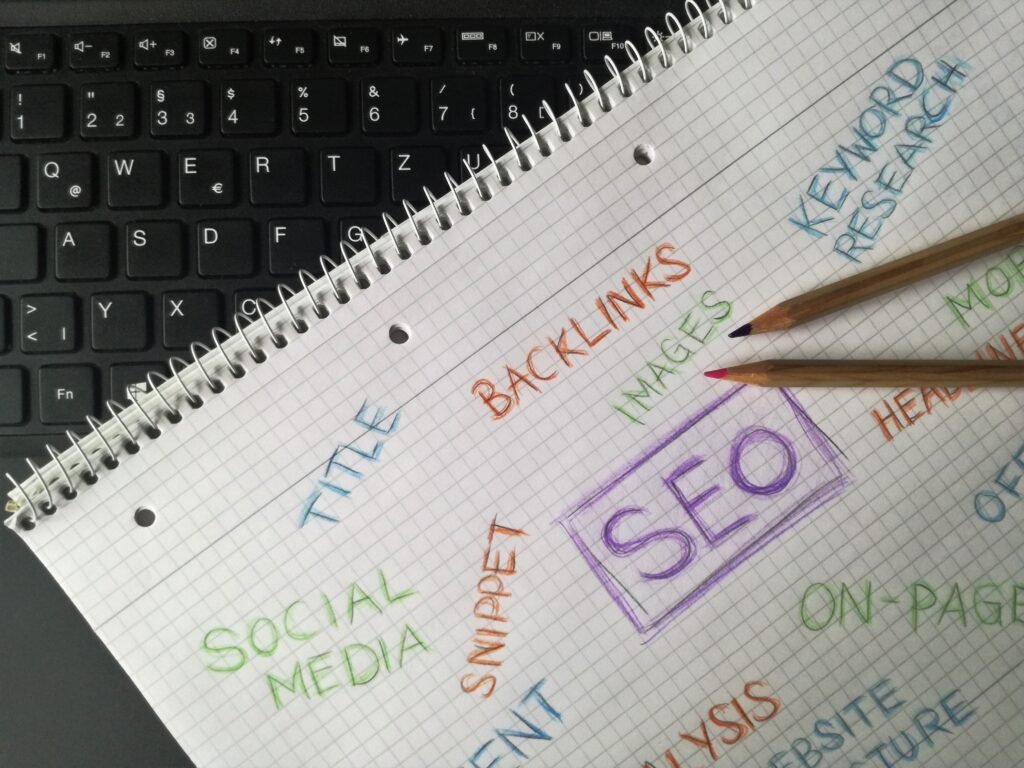
What Is SEO Recommended image alt text: What is SEO and how search engine optimization works
What Is SEO Suggested blog categories: SEO, Digital Marketing, Website Optimization.
What Is SEO WordPress tip: Add internal links from this article to your SEO services, website design, and digital marketing pages to help readers discover your services.
Ready to Improve Your Website SEO?
Want to increase your website visibility, attract more visitors, and grow your business online? Navya Digital Marketing helps you strengthen your online presence with effective SEO strategies, keyword optimization, and quality content.
Let’s improve your search visibility and take your business to the next level!
What Is SEO
- Boost Your Website Rankings with SEO
- Make Your Business Easier to Find Online
- Turn Website Visitors into Potential Customers
- Grow Your Online Presence with Smart SEO
- Start Your SEO Growth Journey Today
Ready to Improve Your Website SEO?
Want to increase your website visibility, attract more visitors, and grow your business online? Navya Digital Marketing helps you strengthen your online presence with effective SEO strategies, keyword optimization, and quality content.
Let’s improve your search visibility and take your business to the next level!
CTA Button: Get Started Today